
Introduction
Top primary schools in Khanapur play a crucial role in shaping a child’s academic journey and overall development. Strong primary education builds confidence and skills, while poor educational foundations can affect future success.
Learning is most effective when children actively participate in the educational process. While teachers play a vital role in guiding students, children can also learn a great deal from one another. This is where peer learning becomes an important part of modern education.
The top primary schools in Khanapur encourage peer learning because it helps students develop academic knowledge, communication skills, teamwork, and confidence. Through collaborative activities and classroom discussions, children gain a deeper understanding of concepts while building meaningful relationships with their classmates.
Peer learning creates an engaging environment where students are encouraged to share ideas, solve problems together, and support each other’s growth.
Why Top Primary Schools in Khanapur Matter
Top primary schools in Khanapur provide children with the essential foundation needed for future academic and personal success. During the primary years, students develop critical skills in literacy, numeracy, communication, and problem-solving.
A strong start helps students build confidence and prepares them for higher levels of education.
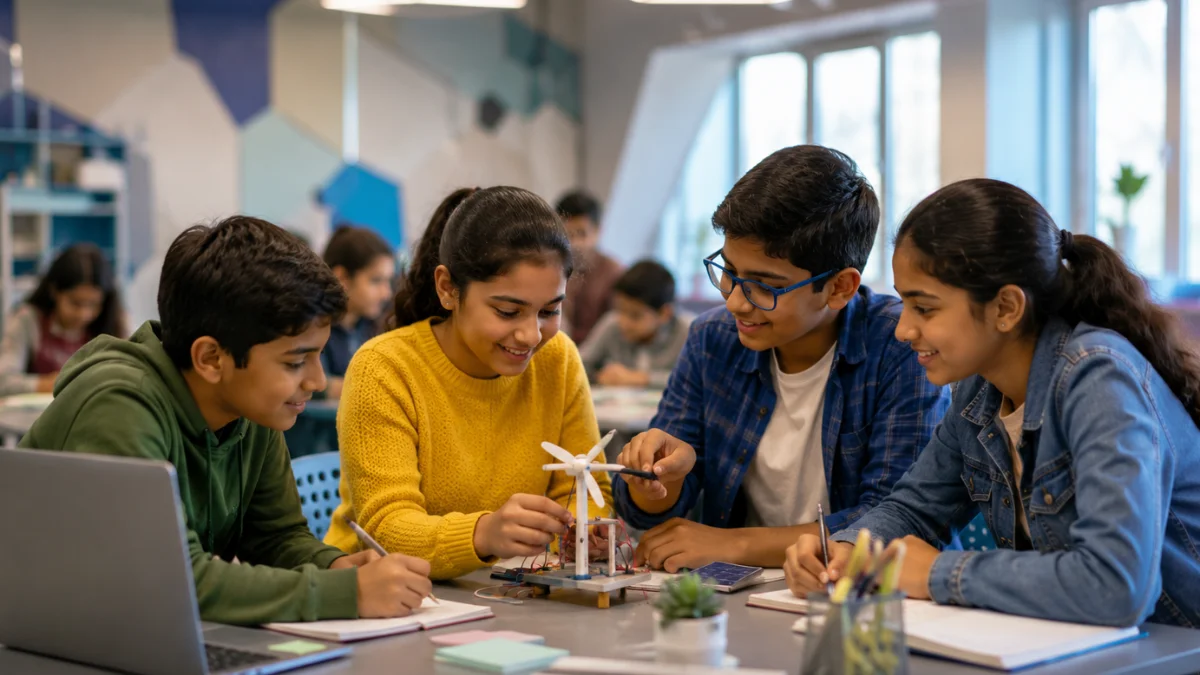
Peer learning allows students to work together, exchange ideas, and learn through collaboration. Instead of learning only from teachers, children also benefit from the knowledge and experiences of their classmates.
Benefits of peer learning include:
- Improved understanding of concepts
- Better communication skills
- Increased confidence
- Stronger teamwork abilities
- Enhanced classroom participation
These benefits contribute to both academic achievement and personal development.
What Is Peer Learning?
Peer learning is an educational approach where students learn through interaction and collaboration with their classmates. It involves sharing knowledge, discussing ideas, and working together on activities and projects.
At Maratha Mandal’s English Medium School, Khanapur, peer-learning opportunities help students develop communication, teamwork, and problem-solving skills while learning from one another.
Common peer-learning activities include:
Group discussions
Team assignments
Classroom projects
Reading partnerships
Peer mentoring
Collaborative problem-solving tasks
These activities make learning more interactive and enjoyable for young learners.
Improving Academic Performance Through Peer Learning
One of the biggest advantages of peer learning is its ability to improve academic outcomes.
Better Concept Understanding
Children often explain ideas to each other in ways that are easy to understand. This helps students grasp concepts more effectively.
Increased Knowledge Retention
Students are more likely to remember information when they actively participate in discussions and collaborative activities.
Stronger Problem-Solving Skills
Working together encourages students to think critically and explore multiple solutions to challenges.
As a result, students become more confident and capable learners.
Building Communication and Social Skills
Top Primary schools in Khanapur are an important stage for developing social and communication abilities. Peer learning provides regular opportunities for students to interact positively with others.
Students learn to:
- Express ideas clearly
- Listen actively
- Respect different opinions
- Cooperate with classmates
- Resolve conflicts constructively
These skills support both academic and personal growth.
Boosting Confidence and Classroom Participation
Many children feel more comfortable asking questions and sharing ideas with classmates before speaking in front of the entire class.
Encouraging Active Engagement
Peer learning helps students become more involved in lessons and classroom activities.
Developing Leadership Skills
Students who help others understand concepts often develop leadership qualities and greater self-confidence.
This positive experience motivates children to participate more actively in their education.
Creating a Positive Learning Environment
A collaborative classroom environment helps students feel supported and connected.
At best pre primary schools in Khanapur, creating a positive and nurturing classroom atmosphere helps children build confidence, develop social skills, and actively participate in daily learning experiences.
Benefits of a positive learning environment include:
Greater student engagement
Improved emotional well-being
Stronger friendships
Increased motivation
Better classroom relationships
When students feel comfortable and supported, they are more willing to take part in learning activities.
Preparing Students for Future Success
Peer learning develops important life skills that extend beyond the classroom. Children learn how to work effectively with others, communicate confidently, and adapt to different situations.
Students gain:
- Teamwork skills
- Leadership abilities
- Communication skills
- Critical-thinking capabilities
- Adaptability and resilience
These qualities prepare students for future academic and personal success.
Role of Teachers in Top Primary Schools in Khanapur
Top primary schools in Khanapur have teachers who play a vital role in shaping young minds. They create opportunities for collaboration while ensuring that every student participates and benefits.
Effective teachers:
- Organize engaging group activities
- Encourage respectful discussions
- Provide guidance and support
- Monitor student participation
- Foster an inclusive classroom environment
Their efforts help maximize the benefits of collaborative learning.
Conclusion
Top primary schools in Khanapur help children develop strong academic foundations, essential life skills, and confidence for future success. Choosing the right primary school can positively impact a child’s lifelong learning journey.
Peer learning is a powerful educational strategy that enhances both academic achievement and personal development. By encouraging collaboration, communication, and teamwork, students gain valuable skills that support lifelong learning.
The top primary schools in Khanapur understand that children learn best when they learn together. Through well-structured peer-learning opportunities, schools create engaging classrooms that nurture confidence, curiosity, and academic excellence.